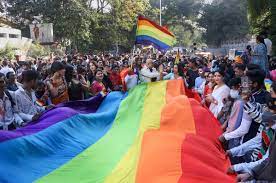
DILEMMA OF SAME SEX MARRIAGES IN INDIA
AUTHOR – RUSHAL DWAJ, STUDENT AT NEW LAW COLLEGE BHARATI VIDYAPEETH DEEMED UNIVERSITY
Best Citation – RUSHAL DWAJ, DILEMMA OF SAME SEX MARRIAGES IN INDIA, ILE JOURNAL OF LAW AND HUMANITARIAN STUDIES (ILE JLHS), 1 (1) of 2023, Pg. 30-35, APIS – 3920 – 0057 | ISBN – 978-81-964391-3-2
ABSTRACT
Through the institution of marriage, people are allowed to have families. It is a stable relationship that allows people to cohabit in society without experiencing any negative social effects. Not just the married couple, but the entire society as well as future generations, are impacted by marriage. Same-sex unions are a relatively new phenomenon in society. It wasn’t until the twenty-first century that same-sex marriages were conferred legal-recognition in modern culture and society in an increasing number of countries. Even though only a limited number of countries have made same-sex unions legal, their ramifications and repercussions are felt well beyond the borders of those countries and regions. In the coming years, same-sex marriages are expected to continue to be a divisive and important topic in local, national, and worldwide legal, political, and cultural contexts. Many states have upheld their constitutional bans on homosexual marriages in the face of numerous protests from individuals and groups that insist that same-sex unions must be recognized as legal. Additionally, same-sex partnerships are not legally recognized in many nations, including India. As a result, homosexual couples, regardless of their relationship length, are denied many of the legal and financial benefits that come automatically with marriage status. These include employment opportunities, the ability to file joint tax returns, health benefits, and rights resulting from a partner’s death, such as international inheritance, etc. They may also be especially pertinent in light of the AIDS epidemic. Patriarchal de facto marriages are backed by all of these benefits in general culture, but LGBTQ+ people cannot take advantage of them. When we look at marriage and family structures from a global perspective, we observe a range of options for governmental recognition of different family structures. This research paper examines the common defenses of same-sex marriages and criticisms of them, as well as possible revisions to laws and policies in countries where it has become a serious political and legal issue whilst make the case that making marriage equality a reality may open up new socio-political and socio-legal avenues.
KEYWORDS – Marriage, LGBTQ+, Laws, Homosexual, Lavender marriages, Constitution